Accurate Measurement of Water in Cooling Tower Structure
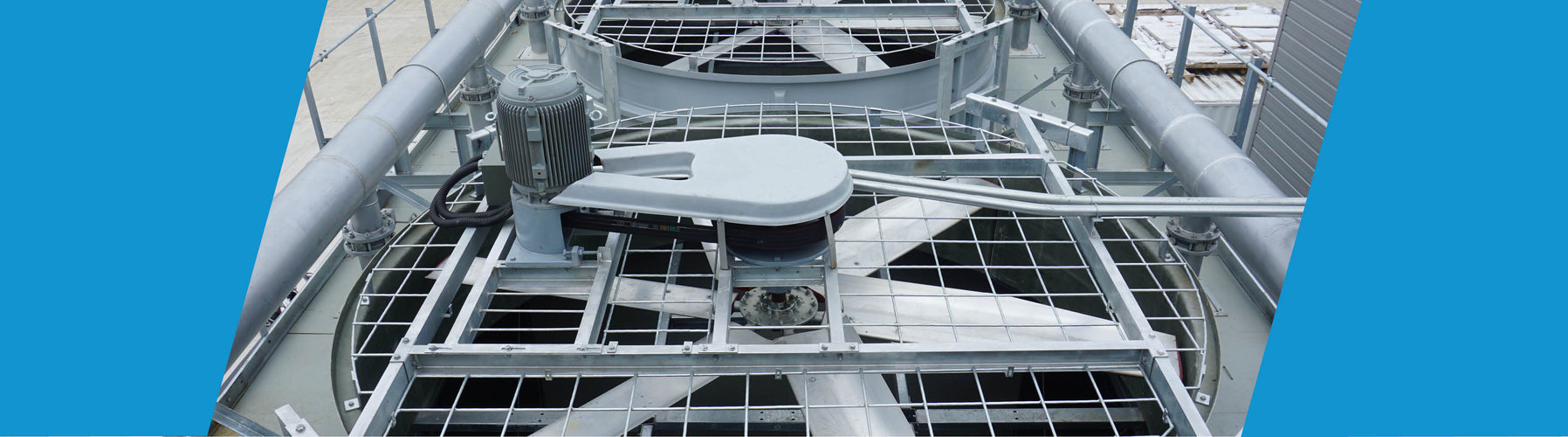
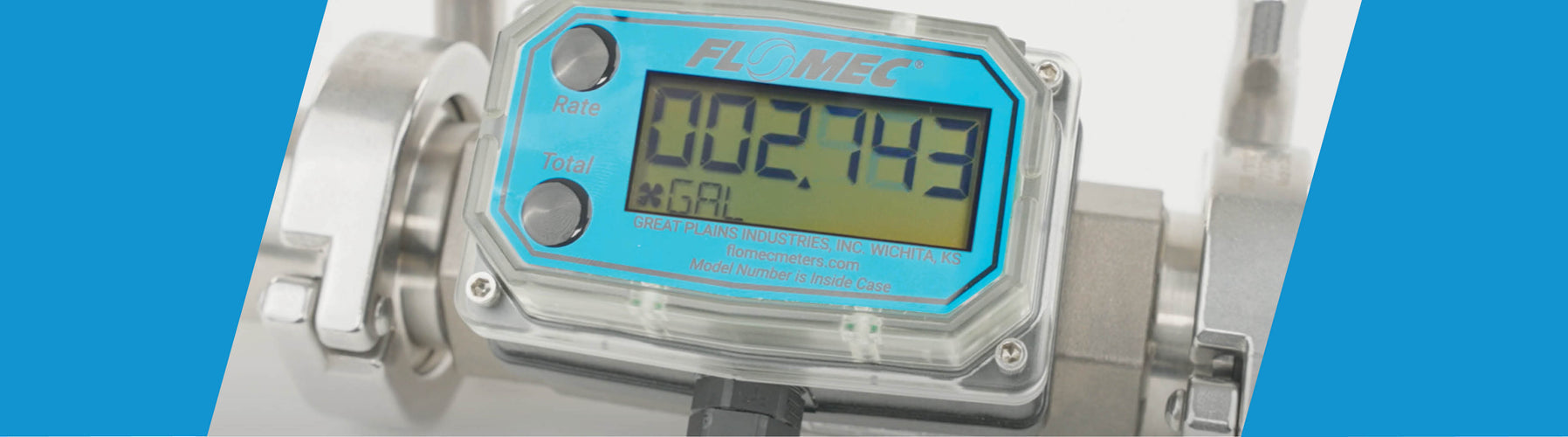
Cooling tower structures vary significantly in size and design, but they all serve the same purpose: extracting heat from a process or building system by evaporating water. As this water evaporates, it must be replenished. The water that is added is called make-up water. It is essential to measure this water to ensure the cooling tower is free of leaks and is running efficiently. When water evaporates from the tower, dissolved solids (such as calcium, magnesium, chloride, and silica) remain in the recirculating water. As more water evaporates, the concentration of dissolved solids increases. To avoid scaling and corrosion problems caused by these high mineral concentrations, a portion of this water, called blowdown water, must be replaced with make-up water. This blowdown water should also be metered.
The Federal Energy Management Program suggests the following best practices for managing cooling towers:
“Install flow meters on make-up and blowdown lines. Check the ratio of make-up flow to blowdown flow. Then check the conductivity ratio of blowdown water to make-up water (handheld conductivity meters can be used to determine the relative mineral concentrations of the recirculating and make-up water). These ratios should match the target cycles of concentration. If both ratios are not about the same, check the tower for leaks or other unauthorized draw-off. If the system is not operating at, or near, the target cycles of concentration, check system components, including the conductivity controller, make-up water fill valve, and blowdown valve."
Product Specifications
|
|
|
|
|
TM Series
|
|
|
G2 Series
|